
Table of Contents
ToggleWhen you think of iconic summons in gaming, Bahamut stands front and center. This legendary dragon has been the centerpiece of Final Fantasy’s most memorable moments for over three decades, from devastating mega-attacks that wipe out entire enemy squads to pivotal story beats that define entire games. Whether you’re a seasoned Final Fantasy veteran or jumping into the franchise for the first time, understanding Bahamut means grasping one of gaming’s most enduring symbols of raw, unbridled power. This guide walks through everything you need to know about Bahamut across the Final Fantasy universe, from its mythological roots to its role in modern titles, combat strategies, and why this dragon summon continues to captivate millions of players worldwide.
Key Takeaways
- Bahamut Final Fantasy stands as one of gaming’s most iconic summons, evolving from sprite-based dragons in early games to photorealistic beasts in modern titles like FFVII Remake and FFXIV.
- Obtaining Bahamut requires significant effort—players must complete tough questlines, defeat superbosses, or progress through late-game content, reinforcing its status as an earned reward rather than a casual acquisition.
- Bahamut’s signature move, Mega Flare (or Tera Flare in remakes), delivers devastating single-target or area damage, but its effectiveness varies based on enemy fire immunity and magic resistance, preventing it from being universally overpowered.
- In Final Fantasy XIV, Bahamut transcends a simple summon and becomes a complex raid series culminating in the Unending Coil of Bahamut Ultimate, one of the game’s most challenging mechanical encounters requiring perfect team coordination.
- Bahamut’s cultural legacy extends beyond gameplay—fan communities celebrate it through artwork, cosplay, merchandise, and speedrun challenges, while gaming media regularly features Bahamut announcements, cementing its role as Final Fantasy’s unofficial mascot.
- Successful Bahamut usage depends on strategic team composition, resource management, and understanding each game’s mechanics; casual players summon whenever possible, while experienced players time Bahamut’s attacks for specific boss phases or vulnerabilities.
Who Is Bahamut? Understanding The Legendary Dragon Across Games
Origins And Lore History
Bahamut’s legacy stretches back further than most players realize. The name itself draws from Islamic and Jewish mythology, where Bahamut represents a colossal entity, in some versions, a cosmic whale: in others, a dragon holding up the earth. Square Enix took this mythological foundation and wove it into the fabric of Final Fantasy’s world-building, making Bahamut far more than just a powerful summon. It became a symbol of primordial power, often positioned as one of the oldest and most dangerous entities in each game’s universe.
In the early Final Fantasy games, summoning magic wasn’t fully developed as a mechanic. But when summoning systems matured, Bahamut emerged as the apex predator, a creature so powerful that obtaining it usually required defeating a superboss or completing an arduous questline. This design philosophy established a pattern: Bahamut is earned, not given. Players had to prove their worth to command such devastation.
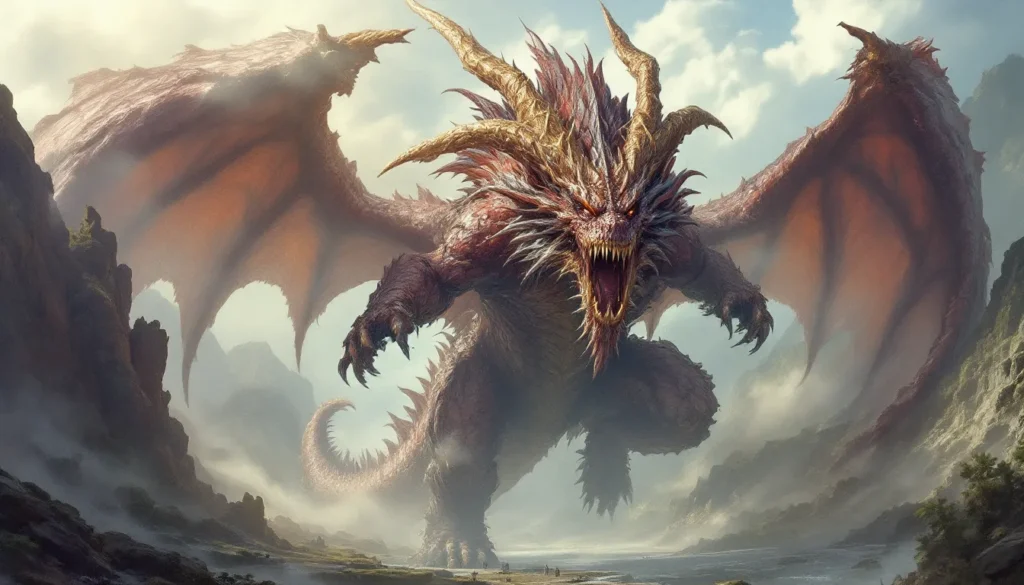
The visual design evolved alongside the franchise’s technology. Early sprite-based renditions showed a fearsome dragon, but modern iterations, especially in Final Fantasy XIV and the FFVII Remake, depict Bahamut with jaw-dropping detail: scales gleaming with energy, wings that span screen-widths, and an aura radiating catastrophic power. These aesthetic upgrades reinforced what players already knew: this dragon was special.
Bahamut Across Different Final Fantasy Universes
Bahamut doesn’t exist in a single timeline or world. Instead, variations of this summon appear across multiple Final Fantasy universes, each with unique mechanics and story significance. In some games, Bahamut is a summonable ally: in others, it’s a raid boss: in still others, it’s woven into the main narrative as a world-threatening force.
The way Bahamut is portrayed tells you something about each game’s design philosophy. In turn-based titles like Final Fantasy VI and Final Fantasy IX, Bahamut serves as a high-damage summon with a straightforward tactical role. In real-time combat systems like FFXV and the FFVII Remake, Bahamut becomes a cinematic event, stunning and memorable, but mechanically different. Meanwhile, in MMO environments like FFXIV, Bahamut transcends being a mere summon and becomes a raid encounter, a story arc, and even a companion summon for specific job classes.
This versatility is why Bahamut has remained relevant across gaming’s technological evolution. The dragon adapts to each game’s systems while maintaining its core identity: unmatched power and presence.
Bahamut In Final Fantasy VII: The Iconic Summon
How To Obtain Bahamut
Obtaining Bahamut in Final Fantasy VII requires patience and exploration. You can’t simply walk into a shop and purchase the materia. The process involves visiting the Cosmo Canyon area and finding the Huge Materia before the story moves past a certain point. More commonly, players acquire it through a combination of exploration and boss defeats in the late-game sections of the original 1997 release.
In the Final Fantasy VII Remake (2020), the acquisition method changes significantly. You’ll need to work through Weapon Progression quests and specific late-story encounters. The Remake emphasizes making summons feel more like earned rewards tied to character development and story progression, so expect to invest meaningful playtime before Bahamut becomes available. The remake’s structure means you’re unlikely to stumble upon Bahamut early, it’s designed as a mid-to-late-game asset.
Once obtained, the Bahamut materia can be equipped to party members, allowing them to summon the dragon during combat. In the original game, it’s a stackable summon, meaning you can use it multiple times per battle if you have enough MP. The Remake refactors this into a cooldown system tied to the game’s ATB (Active Time Battle) gauge, making summoning more tactical and less about raw resource management.
Mechanics And Damage Output
In the original FFVII, Bahamut’s signature attack is Mega Flare, a devastating single-target mega-damage spell that decimates most enemies. The damage formula scales with the summon’s level and the equipped materia’s power, making it effective at nearly any point in the game where you’ve obtained it. Against bosses, Mega Flare can chip away significant health in a single use, though it doesn’t trivialize fights, intelligent enemy design ensures even powerful summons require tactical consideration.
The summon duration is relatively short in the original, lasting just long enough to see the animation and execute the attack. This brevity makes each summon use feel impactful rather than routine. The visual spectacle of Bahamut’s appearance, wings unfurling, the roar, the explosion of energy, creates a sense of event that matches the mechanical power.
In the FFVII Remake, Bahamut’s mechanics shift to accommodate the real-time action system. The summon command fills an ATB gauge, and when activated, Bahamut enters the battle as a temporary ally that attacks independently. Cloud can command Bahamut’s focus with Tera Flare (the Remake’s version of Mega Flare), unleashing massive area damage. The mechanic is less about raw numbers and more about tactical positioning and timing, Bahamut can be interrupted, positioned around the arena, and its Tera Flare requires setup and positioning to maximize effectiveness.
Stats-wise, Bahamut’s attack in the Remake sits in the upper tier of available summons. On normal difficulty, a well-timed Tera Flare deals between 15,000–20,000 damage depending on party setup and enemy vulnerabilities. On Hard mode (DLC Episode INTERmission and later updates), the numbers scale differently, and enemies with resistance to magic and fire reduce Bahamut’s effectiveness significantly. The dragon remains viable across difficulty settings, but it’s no longer a “win” button, it’s a powerful tool requiring tactical awareness.
You can learn more about how Bahamut fits into Cloud Strife’s arsenal by exploring Final Fantasy Buster Sword guides and weapon progression systems, which complement summon strategies in the Remake’s combat design.
Bahamut In Final Fantasy X: Evolution And Impact
Sin And Bahamut’s Role In The Story
Final Fantasy X takes Bahamut into darker narrative territory. In Spira, Bahamut isn’t simply a summon, it’s a divine aeon with deep connections to the world’s mythology and the cyclic nature of destruction and rebirth. The presence of Sin, the catastrophic entity that haunts Spira, creates a backdrop where Bahamut’s power becomes both salvation and tragedy.
Within FFX’s story, Bahamut serves as one of Yuna’s most reliable aeons during her pilgrimage. The summon represents decisive action against overwhelming odds, fitting thematically with Yuna’s journey toward acceptance and sacrifice. When Yuna calls upon Bahamut, it’s often during pivotal story moments, not just random encounters, making the dragon’s appearances feel narratively significant.
The design philosophy here differs from FFVII. Bahamut in FFX exists within a fully realized mythological system where summoning isn’t just magic, it’s communion with divine entities. This context adds weight to Bahamut’s presence. Players don’t think of it as a tool: they think of it as an ally with agency and purpose.
Using Bahamut In Combat
In Final Fantasy X’s turn-based combat, Bahamut functions as a tank and damage dealer hybrid. Summoning Bahamut switches the active party member out and replaces them with the aeon, consuming that character’s turn. The mechanical cost is significant, you’re essentially removing one party member from action. This design forces tactical decision-making: when do you summon, and is it worth the resource investment?
Bahamut’s signature move is Impulse, a heavy single-target attack that scales with the summon’s stats and Yuna’s spell power. Against most enemies, Impulse delivers reliable damage without flashy animations. The real value comes from Bahamut’s physical durability, this aeon can absorb hits that would devastate other party members, functioning as an emergency tank during dangerous fights.
The ultimate attack, Megaflare, operates differently than in FFVII. In FFX, Megaflare is a desperation ability unlocked through the Aeon Overdrive system. When Bahamut’s Overdrive gauge fills (by absorbing damage), you can unleash Megaflare for massive area damage. This creates a dynamic where summoning Bahamut early in a fight can be disadvantageous if you want to maximize Overdrive potential. Strategic players would calculate enemy damage patterns to ensure Bahamut’s Overdrive gauge fills at optimal moments before unleashing Megaflare for burst damage.
On standard difficulty, Bahamut is a generalist aeon, solid at everything, exceptional at nothing. High-level players often benched Bahamut for more specialized aeons. But on higher difficulties or against specific boss encounters, Bahamut’s tankiness and consistent damage made it a reliable choice. The aeon represents balanced power rather than raw dominance, reflecting Bahamut’s role as a foundational summon rather than the ultimate secret weapon.
Bahamut In Final Fantasy XIV And Modern Titles
FFXIV Bahamut Raid Series
Final Fantasy XIV transformed Bahamut from summon into raid mythology. The Bahamut raid series stands as one of FFXIV’s most celebrated content arcs, culminating in the Unending Coil of Bahamut (Ultimate), one of the most challenging raids in the game. This isn’t casual content, teams require perfect coordination, mechanical execution, and weeks of preparation.
The Coil storyline introduces Bahamut as a resurrected, world-threatening entity. It’s not a fight players stumble into: it’s an elaborate narrative arc spanning multiple patch cycles. Bahamut Prime, the final form faced in Ultimate raids, represents the pinnacle of mechanical challenge and visual spectacle in FFXIV. The encounter demands team-wide coordination, split-second positioning, and resource management across all 8 players simultaneously.
During these raids, Bahamut appears not as a summon but as a boss encounter with multiple phases. Each phase introduces new mechanics, Megaflare attacks that require specific positioning, tank mechanics that demand split-second cooldown usage, and room-wide attacks that punish any mistake. The fight is designed to be visually stunning and mechanically brutal, capturing Bahamut’s legendary status through gameplay rather than narrative exposition alone.
The loot from Bahamut raids includes weapons and armor used to gear endgame characters. Completing the Unending Coil grants one of the most prestigious achievements in FFXIV’s community, only hardcore players typically clear it, making Bahamut defeats a badge of serious commitment. Many raiders spend months perfecting rotations and positioning to overcome these encounters, treating Bahamut as the ultimate test of their mechanical skill.
Bahamut In Recent Releases And Mobile Games
Beyond FFXIV, Bahamut appears across modern Final Fantasy titles with varying prominence. In Final Fantasy XV, Bahamut is less central than in earlier games, though it appears during story segments and can be summoned in specific contexts. The real-time action combat system shapes how Bahamut functions, summoning moments feel cinematic but less frequent than in turn-based games.
Mobile Final Fantasy games, particularly Final Fantasy: Brave Exvius and Final Fantasy Record Keeper, continue Bahamut’s legacy with digital adaptations. These games feature Bahamut as a high-rarity summon, often locked behind gacha mechanics. In Brave Exvius, pulling Bahamut as a 5-star base summon is considered excellent luck. The dragon provides substantial stat boosts and contributes to team-wide damage through esper abilities. Given the competitive nature of mobile Final Fantasy, Bahamut remains relevant, though its power fluctuates with balance patches and new content releases.
Final Fantasy VII Remake and its DLC episodes (Intergrade) maintain Bahamut’s prominence in modern AAA gaming. The Remake’s visual fidelity means Bahamut looks more impressive than ever, scales catching light realistically, wings moving fluidly, and Tera Flare animations that rival full-length cutscenes. The developers clearly invested in making summons feel like major events, with Bahamut benefiting from this attention.
Recent reports suggest the next Final Fantasy game will continue featuring summons prominently, with Bahamut almost certainly appearing. Given the franchise’s consistency, expecting Bahamut in future mainline titles is a safe bet, it’s as fundamental to Final Fantasy as chocobos and airships.
Bahamut’s Combat Abilities And Strategies
Signature Moves And Ultimate Attacks
Bahamut’s movepool varies across games, but certain signature techniques appear consistently. Mega Flare (or Tera Flare in modern remakes) is the definitive attack. This ability hits single targets or areas depending on the game and scales with Bahamut’s magic stat and materia level. The attack bypasses standard defenses but can be resisted by enemies with fire immunity or magic resistance, a limitation that prevents Bahamut from being universally overpowered.
Secondary attacks include Firaga or similar fire-based spells, reflecting Bahamut’s thematic connection to flame and destruction. Some versions feature Wing Attack, a physical strike that leverages Bahamut’s massive size. In FFXIV, Bahamut Prime uses Megatflare, a room-wide instant-kill attack that kills all players not standing in designated safe zones, a mechanic that transforms a signature move into a puzzle requiring spatial awareness and communication.
Ultimate attacks or Overdrive abilities push Bahamut beyond normal limits. FFX’s Megaflare Overdrive exists as described above. FFVII Remake’s Tera Flare requires ATB gauge buildup and positioning. FFXIV’s Gigaflare (another ultimate variation) in ultimate raids forces teams to split into groups and handle split mechanics simultaneously. Each iteration adapts the core concept, overwhelming power requiring careful timing, to fit its game’s systems.
What makes these attacks legendary isn’t just damage numbers. It’s the visual spectacle. Bahamut roars, spreads its wings, and unleashes energy that feels world-changing. Developers invest in animation and audio, making Bahamut abilities feel monumental even when numbers don’t justify that impression mechanically.
Building Your Team To Maximize Bahamut’s Potential
Using Bahamut effectively requires team composition that complements the summon’s strengths. In turn-based games like FFX or classic Final Fantasy, having dedicated healers ensures party survival while Bahamut handles offensive duties. Pairing Bahamut with high-damage dealers creates a burst-damage focused strategy, summon when enemies are weakest or after weakening them with debuffs.
In real-time action games like FFVII Remake, the party composition shifts. Cloud should have materia supporting summon effectiveness, spells like Prayer (healing) or Revive (resurrection) prevent party wipes while Bahamut does work. Building Cloud’s weapon and ability loadout around ATB gauge generation ensures you can summon frequently. Pairing Cloud’s Punisher Guard stance with offensive materia gives you a way to build Bahamut’s summon gauge while keeping Cloud alive.
Aerial parties benefit most from Bahamut, as summoning mechanics are often ATB-based, characters who generate ATB quickly (through attack speed, crits, or specific abilities) feed Bahamut’s availability. In FFXIV raid content, Bahamut as an esper doesn’t matter as much as player mechanics, but choosing the esper with stats matching your role (tank esper for tank players, etc.) optimizes DPS output across your team.
Resourcemanagement separates casual Bahamut usage from optimized play. Novice players summon whenever available and MP allows. Experienced players timing Bahamut summons for specific boss phases or add spawns, ensuring the attack lands when enemies are vulnerable. In raids like FFXIV’s Coil, certain phases are designed around handling Bahamut’s mechanics, teams coordinate buster-soaking attacks and avoid mechanic-stacking mistakes that cause guaranteed deaths.
Critical stats for Bahamut vary by game. In FFVII Remake, fire materia level, spell power, and enemy fire vulnerabilities matter more than raw attack stats. In FFX, Yuna’s magic stat scales Bahamut’s damage. FFXIV’s esper Bahamut depends on player stats, not summon-specific equipment. Understanding your game’s mechanics lets you optimize Bahamut’s contribution to party damage.
Why Bahamut Remains A Gaming Legend
Cultural Impact And Fan Legacy
Bahamut transcends being a video game mechanic, it’s become an icon within gaming culture. Fan communities across forums, subreddits, and Discord servers celebrate Bahamut artwork, cosplay, and fan fiction. The dragon appears in fan-created music remixes, with talented musicians rearranging Bahamut’s battle themes into elaborate orchestral pieces. Streaming platforms host speedrunners attempting Bahamut encounters with self-imposed restrictions, demonstrating the summon’s lasting appeal and mechanical depth.
Merchandise featuring Bahamut sells consistently. Statues, action figures, and plushies bearing the dragon’s likeness occupy shelf space in gaming stores and online marketplaces. Clothing with Bahamut designs commands premium prices within Final Fantasy communities. This commercial success reflects genuine affection, players don’t buy Bahamut merchandise out of obligation: they do it because the dragon resonates emotionally.
Competitive communities reference Bahamut when discussing power scaling or ultimate challenges. Defeating Bahamut Ultimate in FFXIV represents career achievement for raiders. Speed runners invoked Bahamut encounters in discussions about difficulty design and mechanical depth. The summon has become shorthand for “pinnacle boss encounter” or “overwhelming power” in gaming discourse, similar to how Final Fantasy VII’s Sephiroth became shorthand for “final boss.”
In broader gaming history, Bahamut represents the evolution of JRPG design. Early games established it as a treasure to discover: modern games make it a cinematic centerpiece. This trajectory mirrors gaming technology’s advancement, from sprite-based dragons to photorealistic beasts, but Bahamut’s essence remained unchanged. That consistency is why it endured while countless other summons faded into obscurity.
The psychological appeal shouldn’t be overlooked. Bahamut represents wish fulfillment, commanding cosmic power against impossible odds appeals to players because games provide power fantasies unavailable in reality. When a player summons Bahamut and watches enemies crumble, that’s not just mechanics: it’s escapism fulfilled. Understanding this psychological element explains why Bahamut remains relevant even as other franchise elements evolved beyond recognition.
Cross-cultural appeal amplified Bahamut’s legend. The dragon translates across language barriers and cultural contexts, its design speaks universally. Whether you speak Japanese, English, Spanish, or French, Bahamut’s visual language communicates dominance and majesty. This accessibility contributed to its status as Final Fantasy’s unofficial mascot alongside Chocobos and Moogles.
Gaming news outlets like Siliconera regularly feature stories highlighting Bahamut announcements, new summon reveals, raid difficulty spikes involving Bahamut encounters, or casting Bahamut in new games. This media coverage keeps the dragon in public consciousness. Each new Final Fantasy announcement triggers speculation about Bahamut’s role, demonstrating how thoroughly the summon has embedded itself into franchise identity.
Conclusion
Bahamut’s journey across Final Fantasy’s three-decade history illustrates how iconic video game elements transcend individual games to become cultural touchstones. From turn-based summons dealing fixed damage to raid encounters punishing split-second mistakes, Bahamut adapted alongside gaming technology while maintaining core identity, unbridled power wrapped in mythological significance.
Whether you’re chasing Bahamut in FFVII Remake, strategizing its summon timing in FFX, or preparing for weeks to clear Bahamut Ultimate in FFXIV, the dragon remains mechanically relevant and emotionally resonant. The summon bridges casual players seeking spectacular visuals and hardcore raiders hunting mechanical perfection. Few gaming elements achieve this versatility.
Looking forward, Bahamut’s presence in future Final Fantasy games seems guaranteed. The summon’s design has proven flexible enough to accommodate whatever gameplay systems developers introduce next. As gaming communities continue discussing character tiers and boss encounters, Bahamut will almost certainly maintain its position among gaming’s most legendary summons. The dragon’s legacy isn’t about a single game or mechanic, it’s about representing the aspirational power and wonder that drew millions to Final Fantasy in the first place.


